
The application of Solid-State Batteries for Humanoid Robots is currently showing signs of becoming the catalyst that reignites the battery sector, shifting focus from electric vehicles (EVs) to the booming robotics industry. While the market has long anticipated the commercialization of All-Solid-State Batteries (ASSB) for automotive use, a new, high-value vertical is emerging that prioritizes energy density over cost: advanced humanoid robotics.
The Structural Advantage of Solid-State Technology
To understand why this shift is occurring, we must first analyze the fundamental architecture. Unlike conventional ternary lithium-ion batteries—which consist of a cathode, anode, separator, and liquid electrolyte—ASSBs replace the liquid component with a solid electrolyte.
This transition offers significant advantages:
- Elimination of the Separator: The solid electrolyte physically separates the cathode and anode, rendering the traditional separator redundant.
- Safety and Thermal Stability: Liquid electrolytes are prone to leakage, expansion under temperature shifts, and combustion upon impact. Consequently, current battery packs require heavy modules and dual-layer packaging for safety. ASSBs are structurally rigid and non-flammable, maintaining safety even if the cell is damaged.
- Volumetric Energy Density: By removing safety modules and separators, the active material (cathode/anode) volume can be maximized. This allows ASSBs to achieve nearly double the capacity of standard batteries within the same footprint. Furthermore, this stability allows for the use of high-capacity Lithium Metal anodes.
Global Development Status (2026 Context)
The race for mass production is divided between Oxide-based and Sulfide-based approaches.
- Oxide-based: Companies like Murata (Japan) have achieved mass production, but this tech is limited to small electronics (earbuds, wearables) due to capacity constraints. It cannot support the high-ampere requirements of EVs or heavy robotics.
- Sulfide-based: This is the standard for large-scale applications.
- Samsung SDI: Leveraging the semiconductor stacking technology of its affiliate Samsung Electronics, Samsung SDI solved the “void” issue (air gaps between solid particles) back in 2023. As of 2026, they have finalized mass production methods and are securing supply chains for a 2027 rollout.
- Toyota: Targeting 2027-2028 for commercialization, Toyota aims for EVs with ranges of 1,000km to 1,200km and sub-10-minute charging times.
- China (CASIP): The China All-Solid-State Battery Collaborative Innovation Platform (CASIP), including CATL and BYD, is aggressively pursuing this tech. Notably, Chery Automobile announced in December 2025 that its EXEED ES8 would feature a solid-state battery in 2026, boasting a range exceeding 1,000km.
Solid-State Batteries for Humanoid Robots: Solving the Runtime Crisis
While the EV sector remains cost-sensitive, the robotics sector faces a critical bottleneck: Operating Time.
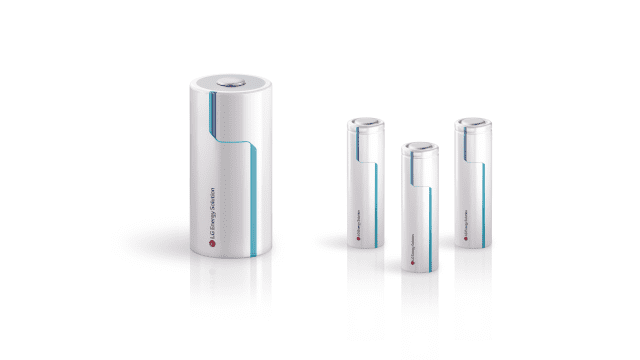
The Limitations of Current Robotics Power
Service robots (e.g., wheeled servers in restaurants) consume low power and can recharge overnight. However, industrial humanoid robots face a different reality:
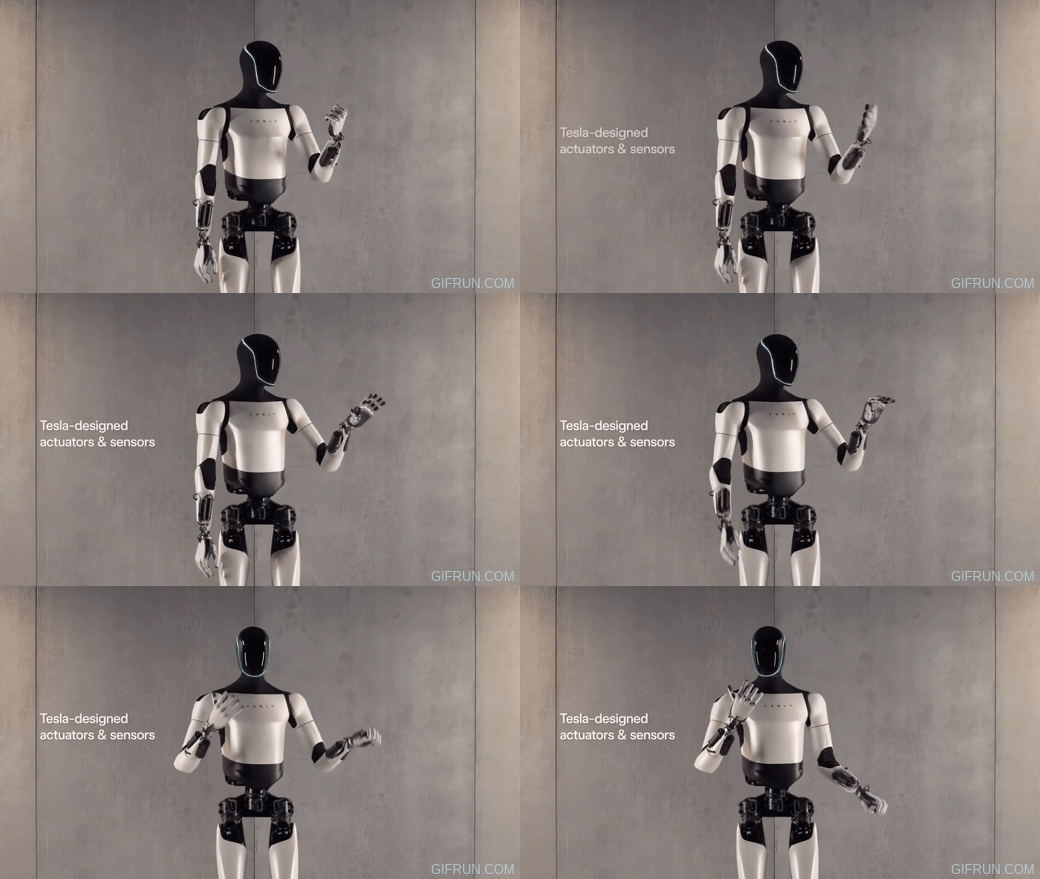
- Tesla Optimus V3: Expected to utilize 4680 batteries. Despite improvements, industry estimates suggest a 2.3kWh pack (for a 57kg robot) will only provide roughly 4 hours of continuous operation.
- Boston Dynamics Atlas: A heavy-duty hydraulic/electric hybrid (150cm, 89kg) capable of lifting 50kg. Due to high energy consumption, it reportedly requires 2 hours of charging for every 1 hour of operation.
The “Smoker’s Break” Inefficiency
Current robotics operations suffer from severe downtime. Even with battery swapping technology, the workflow is interrupted frequently. As noted in the analysis, a robot working for one hour and charging for two is akin to an employee who works for an hour and then disappears to the roof for a 15-minute smoke break every hour. For industrial automation, this inefficiency is unacceptable.
The Premium Niche Market
The primary hurdle for ASSBs in the EV market is Price. Sulfide-based batteries require Lithium Sulfide (Li2S), which is significantly more expensive than standard lithium. Additionally, processes like silver coating for anode active materials drive production costs to nearly double that of ternary (NCM) batteries.
However, Solid-State Batteries for Humanoid Robots present a unique economic case:
- Inelastic Demand for Runtime: In robotics, the value of doubling the operating time (e.g., from 4 hours to 8 hours) outweighs the higher battery unit cost.
- Space Constraints: Unlike cars, robots cannot simply make the battery pack bigger. They are limited by human-like form factors. They must increase energy density per square inch.
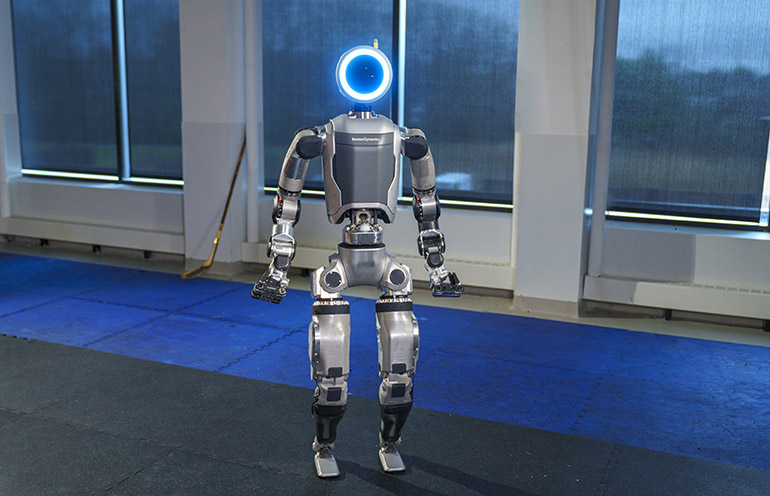
While the market waits for solid-state batteries to reach price parity for electric vehicles, the robotics sector is likely to be the first adopter. The synergy is clear: robots need the safety and density of solid-state tech and are willing to pay the premium. For investors, monitoring the integration of Solid-State Batteries for Humanoid Robots offers a glimpse into the next phase of battery technology commercialization.
[TMM’s Perspective]
The market has largely written off solid-state batteries as a “2027 story” or later, causing interest to wane. However, looking at the technology strictly through the lens of EVs is a mistake. The explosive growth of the humanoid robot sector—led by Tesla and Boston Dynamics—creates a new, high-margin demand curve. Just as gaming GPUs found a new life in AI data centers, I believe expensive solid-state tech will find its initial foothold in high-end robotics. It is time to revisit the “extinguished fire” of battery stocks; the spark might come from a robot, not a car.