
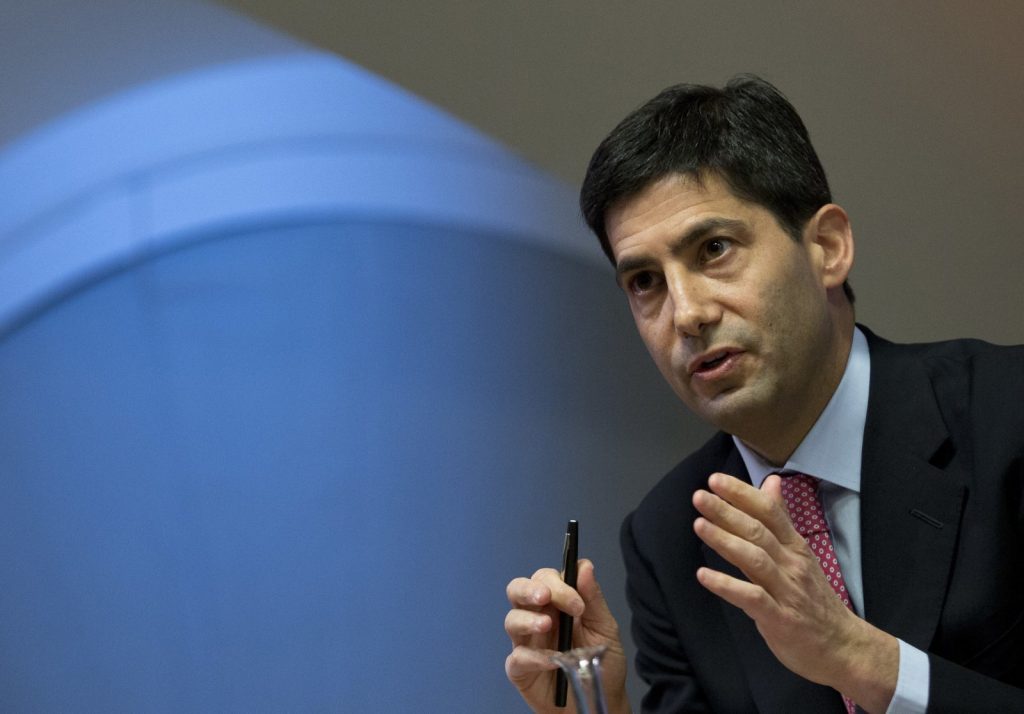
The Kevin Warsh Fed Strategy is currently showing signs of fundamentally altering the monetary landscape, signaling a departure from traditional Federal Reserve operations. As the nominee for the new Federal Reserve Chair, Kevin Warsh brings a unique blend of Wall Street pragmatism and political connectivity that suggests a significant “Regime Change” in how US monetary policy is conducted. This article dissects his background, his proposed coordination with the Treasury, and the immediate shockwaves felt in the commodities market.
Decoding the Kevin Warsh Fed Strategy: Background and Philosophy
To understand the trajectory of the Kevin Warsh Fed Strategy, one must look at his pedigree. Born in 1970 to a middle-class family in Albany, New York, Warsh was an academic and athletic standout, graduating with honors in Public Policy from Stanford and earning a J.D. from Harvard Law School. His career rapidly ascended from Morgan Stanley’s M&A department—where he became the youngest Executive Director at age 32—to the White House National Economic Council under President George W. Bush.

Warsh is not a typical academic economist. Having served as the youngest Governor in Fed history (appointed at age 35) and acting as Ben Bernanke’s liaison to Wall Street during the 2008 Financial Crisis, he views the current Fed framework as antiquated. He argues that the central bank is trapped in a “1970s model,” failing to account for the deflationary and productivity-boosting effects of Artificial Intelligence. This view suggests that interest rates can be lowered more aggressively than traditional analysis would recommend, provided that liquidity is managed correctly.
Furthermore, his nomination marks a return to a historical trend; following Jerome Powell, Warsh’s appointment reinstates Jewish leadership at the helm of the Federal Reserve—a lineage that includes Alan Greenspan, Ben Bernanke, and Janet Yellen. His connections are formidable; his father-in-law is Ronald Lauder, the President of the World Jewish Congress and a close confidant of Donald Trump.
The “Give and Take” Mechanism: Coordination over Independence
The core of the Kevin Warsh Fed Strategy revolves for a new “Accord” between the Fed and the Treasury, reminiscent of the historic 1951 Treasury-Fed Accord. Warsh posits that the current economic environment—characterized by massive national debt and lingering inflation—mirrors the post-WWII and Korean War era of the early 1950s.
Warsh critiques the strict isolation of the Fed, calling it arrogance. Instead, he proposes a “Give and Take” approach with the Trump administration:
- The Give: The Fed will aggressively lower interest rates, aligning with President Trump’s desires.
- The Take: The Fed will aggressively reduce its balance sheet (Quantitative Tightening) and sell assets like Mortgage-Backed Securities (MBS) to withdraw excess liquidity.
This mechanism is designed to transition the Fed’s mandate. Warsh believes the dual mandate of “Maximum Employment” should be replaced with “Price Stability and the Defense of the Dollar Value.” By withdrawing liquidity, he aims to make the Dollar scarce and valuable—a “Strong Dollar” policy—while simultaneously cutting rates to spur growth.
Kevin Warsh Fed Strategy Impact: The Crash in Silver and Real Assets
The market reaction to this proposed regime change has been swift and violent, particularly in the commodities sector. A Strong Dollar combined with liquidity withdrawal creates a headwind for real assets like Gold, Silver, and Cryptocurrencies.
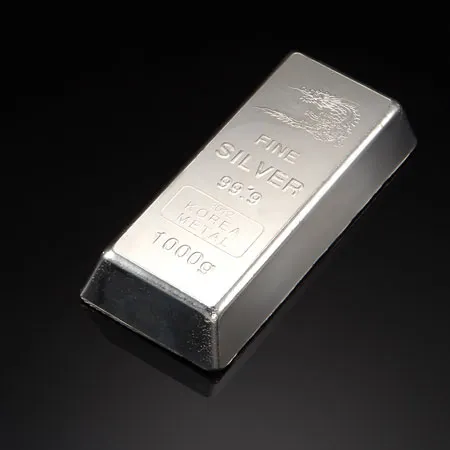
We have already witnessed a massive 28% single-day drop in Silver prices. While the Kevin Warsh Fed Strategy plays a role, this crash was exacerbated by regulatory moves in China. On January 30, the Chinese financial supervisory authority announced the suspension of the UBS SDIC Silver Futures Fund—the only silver futures investment fund in mainland China. Since new capital inflows require physical silver backing, this suspension effectively severed a major source of demand, compounding the bearish sentiment driven by the prospect of a stronger US Dollar.
The nomination of Kevin Warsh is not merely a personnel change; it is a structural pivot. By seeking to revisit the 1951 Accord and coordinate explicitly with the Treasury (specifically Scott Bessent), Warsh is positioning the Fed to support a Strong Dollar regime through liquidity management rather than just interest rates. Investors must adapt to this new Kevin Warsh Fed Strategy, where the scarcity of the Dollar could weigh heavily on tangible assets and liquidity-dependent sectors like crypto.
[TMM’s Perspective]
The market is shifting from a boxing match to a Mixed Martial Arts fight; the variables are becoming more complex. If Warsh succeeds in implementing his strategy, we are looking at a scenario where liquidity contracts significantly, which historically suppresses the value of Silver, Gold, and Crypto. The recent collapse in Silver prices serves as a warning shot—driven by both the “Strong Dollar” narrative and the sudden demand shock from China’s regulatory clampdown. While Trump may get the rate cuts he desires, Warsh’s insistence on defending the Dollar’s value through asset sales creates a friction point that investors must watch closely.