
The Global AI Investment Cycle is currently the dominant force macro-economically, fundamentally altering the traditional relationships between energy, debt, and asset classes. As we navigate the landscape of early 2026, the United States has solidified its energy independence through massive shale gas production—essentially “instant oil” that allows for rapid production adjustments unlike traditional extraction methods. This shift has diminished the geopolitical leverage of Middle Eastern oil producers, forcing a strategic realignment where global liquidity is being funneled into technological supremacy rather than hard commodities.
Energy Dynamics Powering the Global AI Investment Cycle
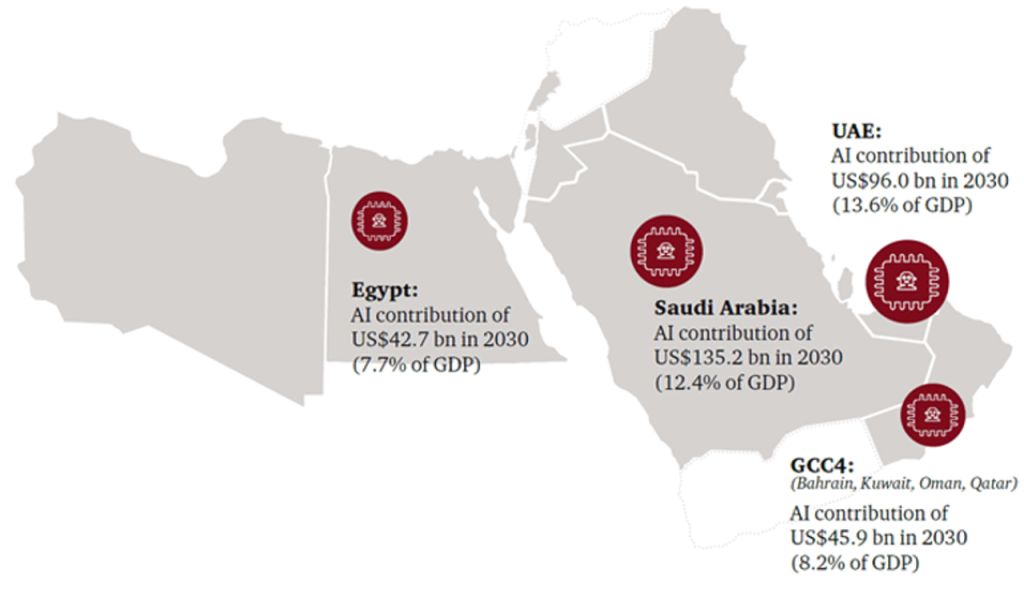
The geopolitical balance of power has shifted dramatically. The influence of Middle Eastern oil nations is waning; Iran is facing structural collapse, while Saudi Arabia, Qatar, and the UAE are issuing record amounts of debt. These nations are maintaining high oil output despite supply gluts, channeling “oil money” directly into the Global AI Investment Cycle to secure their future survival.
For the United States, security in the Middle East is no longer a critical dependency. Having secured access to Venezuelan oil reserves and bolstered by domestic shale production, the U.S. has effectively insulated its energy needs. Consequently, the relationship has evolved: the Middle East has become a financial partner that purchases U.S. debt and AI technology, while the U.S. exports defense and innovation.
China’s Strategic Imperative: Currency and Technology
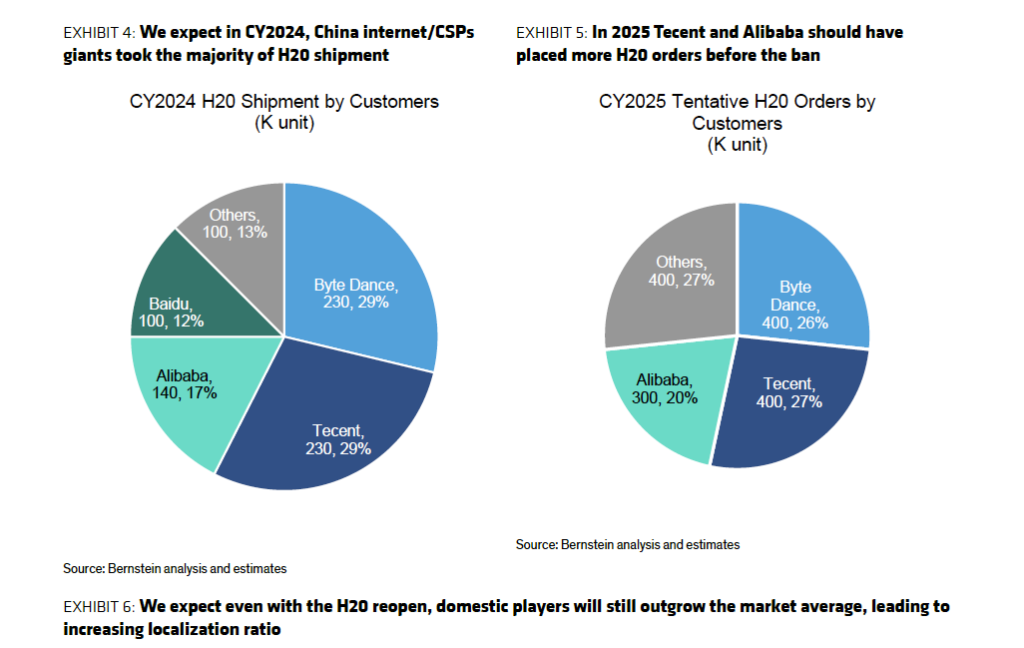
China finds itself in a precarious position, having lost access to cheap Venezuelan oil to the U.S. and facing the potential loss of Russian natural gas following the resolution of the Ukraine conflict. Beijing has limited options. In the short term, we observe a push for a stronger Yuan to boost domestic demand and investment.
However, the long-term strategy is entirely focused on accelerating the Global AI Investment Cycle. Advanced AI technology represents the new frontier of national defense and hegemony. The defection of Middle Eastern capital to the U.S. sphere was driven precisely by this need for superior defense and AI capabilities. Therefore, China is compelled to increase leverage to fund AI, small modular reactors (SMRs), renewable energy, and battery technology.
The Suppression of Precious Metals
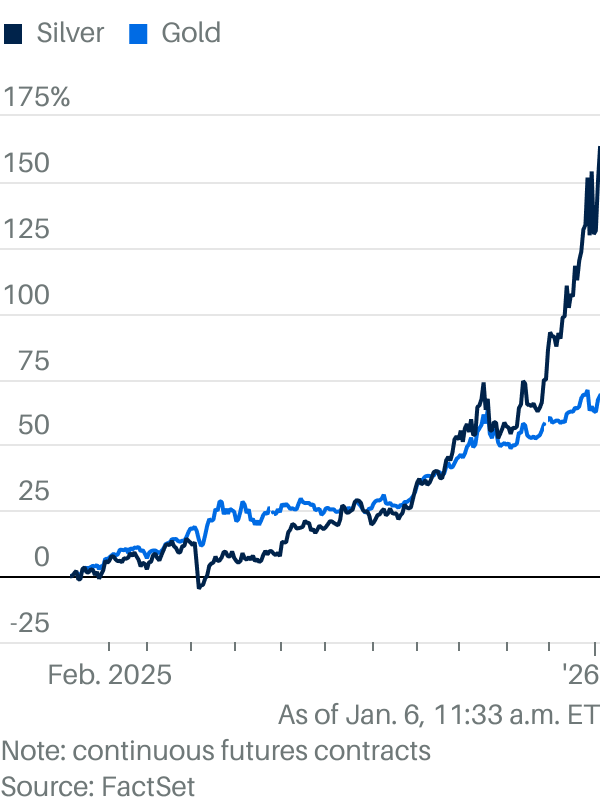
Amidst this liquidity expansion, there is a coordinated effort to suppress the prices of gold and silver. China is aggressively exporting rare earth minerals—mirroring the Middle East’s oil strategy—to generate revenue without sparking trade conflicts. They are actively curbing speculative forces in the precious metals market.
Similarly, the United States is working to remove uncertainty in raw material prices to support industrial growth. The removal of mineral tariffs and the CME’s consistent raising of margin requirements for gold and silver serve as a clear signal from regulators: do not speculate on commodities. The Global AI Investment Cycle demands that capital flows into productive equities, not static assets.
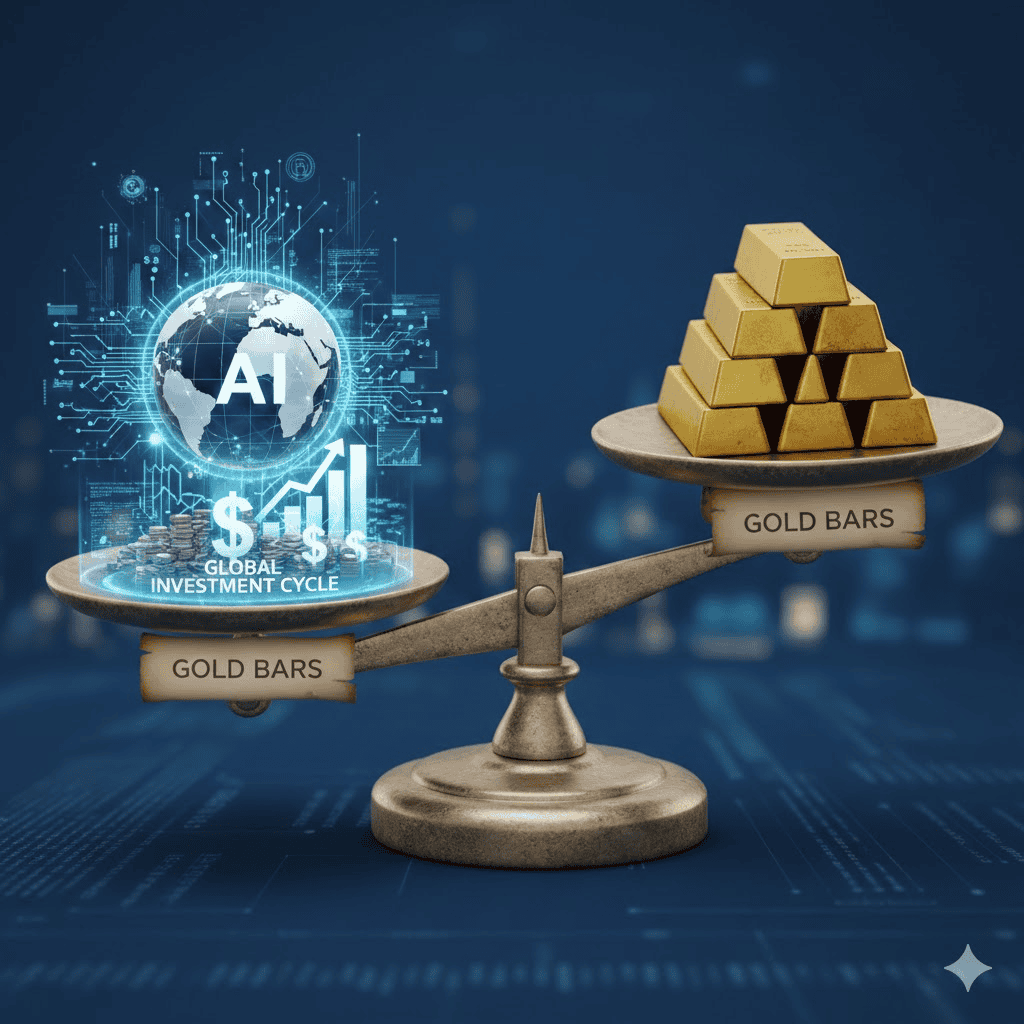
The current macroeconomic environment suggests that we are at the inception of a significant bubble, driven by synchronized global government action to lift liquidity. With economic indicators rising from the bottom, the Global AI Investment Cycle presents a clear directive: the time to buy gold has passed; the time to acquire equities is now. Investors should remain long on stocks until we see a systemic spike in corporate bond yields—a phenomenon that occurs slowly alongside economic growth.
[TMM’s Perspective] We believe the market is currently signaling a “green light” that many retail investors are missing due to fixation on traditional safe havens. The coordinated suppression of commodity volatility by both the U.S. and China is not a conspiracy, but a policy necessity to clear the runway for the next leg of the tech-driven bull market. Our strategy is simple: recognize the debt cycle, position ourselves in equities at these safe lows, and ride the inevitable expansion until corporate credit spreads signal the party is over. We are still in the early innings of this liquidity event.