
The Elon Musk business strategy is often mistaken for mere individual genius, but a deeper analysis reveals a replicable, rigorous system of problem-solving. As of January 2026, Musk stands as the world’s wealthiest individual, overseeing an empire that spans electric vehicles, aerospace, artificial intelligence, and neurotechnology. While his journey began with a simple video game code named Blastar at age 12—earning him $500—his current trajectory is reshaping the global economy. This is not just a biography; it is a business case study. By reverse-engineering his “First Principles” thinking, we can understand how he dismantles incumbent industries like banking, automotive, and aerospace.

The Digital Rehearsal: Zip2 and the PayPal Wars
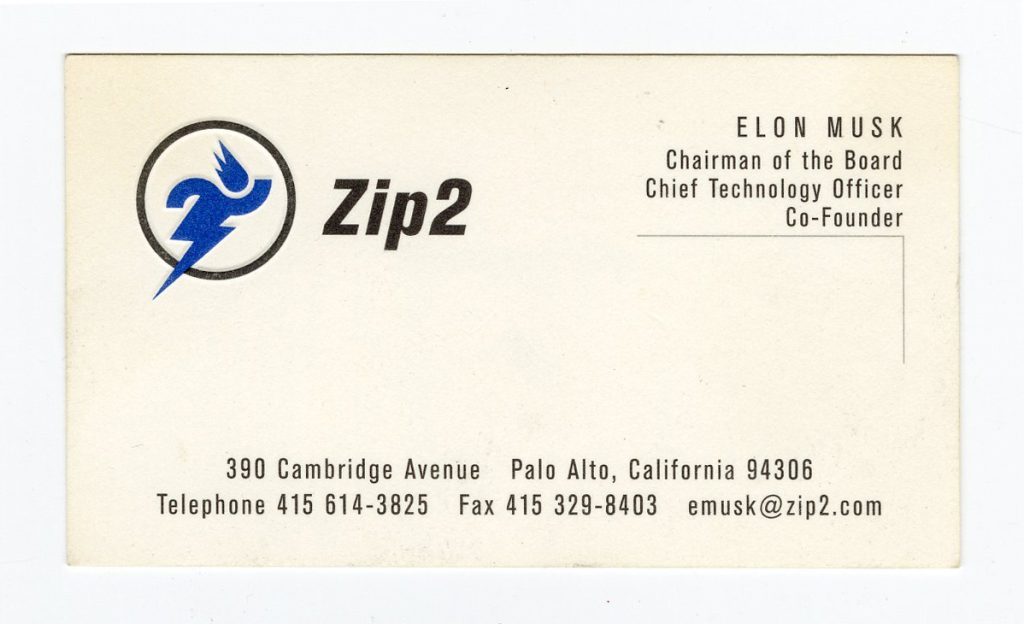
Before Mars and EVs, Musk’s playground was the dot-com boom of the 1990s. His first venture, Zip2, founded with $28,000, capitalized on a glaring inefficiency: the physical yellow pages. By digitizing local maps and directories, he created value that Compaq acquired for $307 million in 1999.
However, the true test of the Elon Musk business strategy came with X.com. Aiming to disrupt the conservative financial industry, Musk engaged in a fierce war of attrition with Confinity, founded by Peter Thiel and Max Levchin. Both companies burned cash on aggressive Customer Acquisition Costs (CAC), famously handing out $10 to new users.

Realizing that attrition was mutually assured destruction, they merged to form PayPal. Despite internal conflicts—including a boardroom coup that ousted Musk as CEO during his honeymoon—the venture succeeded. eBay acquired PayPal for $1.5 billion in 2002, netting Musk $180 million. This era taught him a critical lesson: to execute a vision, one must maintain control.

Applied Physics: SpaceX and First Principles
Musk’s transition from software to hardware demonstrates the core of his philosophy. When asking, “Why have we not gone to Mars?”, the conventional answer was cost. The Elon Musk business strategy rejected this analogy. instead, he applied First Principles thinking: What is the spot price of the raw materials (aluminum, titanium, copper) in a rocket?
He calculated that material costs were only 2% of a rocket’s price; the remaining 98% was inefficiency and monopoly pricing by incumbents like ULA (Boeing and Lockheed Martin). By enforcing vertical integration—manufacturing 85% of components in-house—and pioneering reusability, SpaceX reduced costs by over 90%.
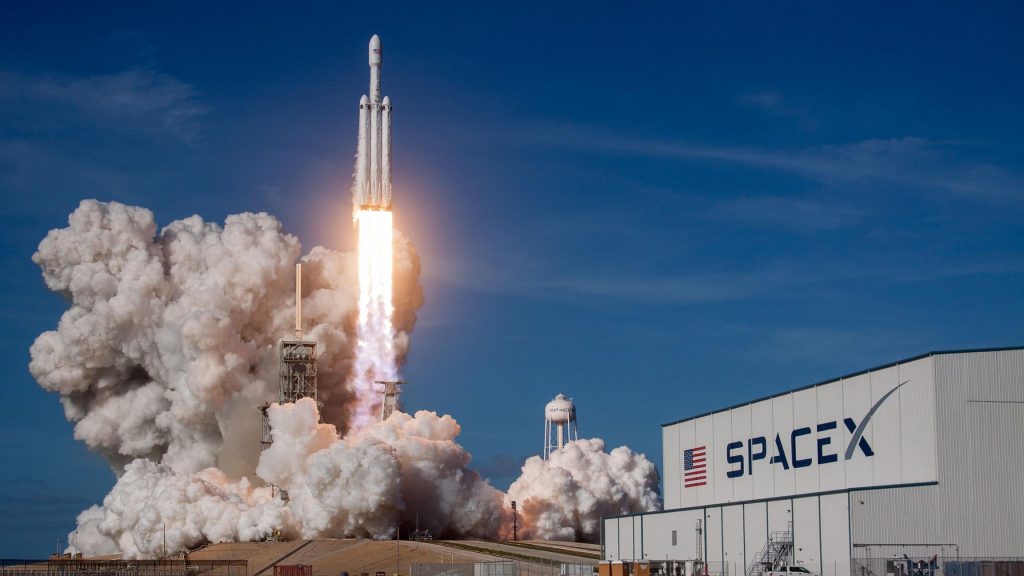
Despite early failures with the Falcon 1, the $1.6 billion NASA contract in 2008 saved the company. Today, the reusability of the Falcon 9 and the development of Starship have rendered competitors obsolete.
Tesla: Ecosystem Engineering and The 2026 Outlook
In the automotive sector, Musk identified the battery as the fundamental constraint. While GM crushed its EV1 program, Musk saw an opening. The Elon Musk business strategy at Tesla involved solving the thermal runaway issues of commodity laptop batteries to create a viable powertrain.
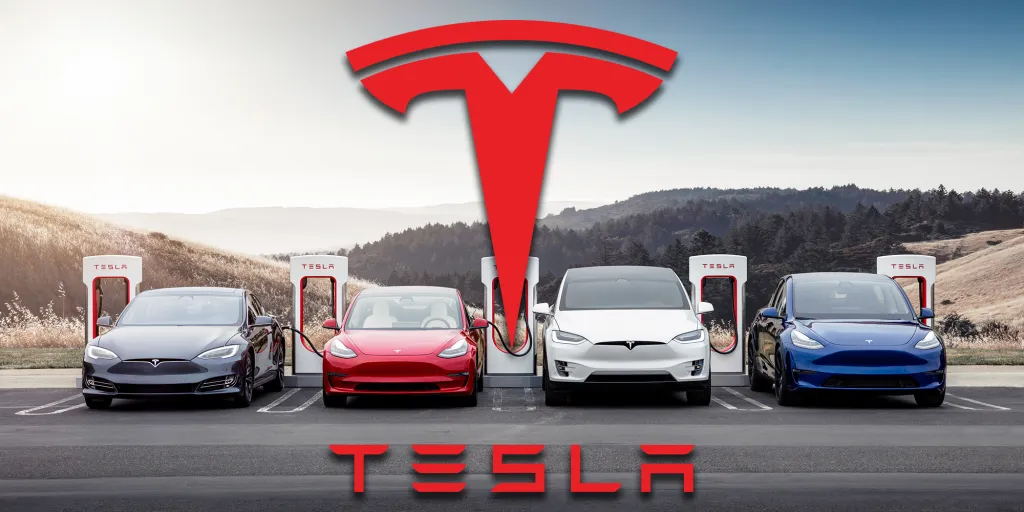
The genius lay not just in the car (Model S), but in the ecosystem. Recognizing that “range anxiety” was a systemic failure, Tesla built the Supercharger network. This infrastructure play forced the entire industry—Ford, GM, Hyundai, Mercedes—to capitulate and adopt the NACS standard by 2025. Tesla did not just build a product; they dictated the platform.
The Architect and The Agitator
Musk’s management style is a duality. As an Architect, he builds systems like the Gigafactory (“the machine that builds the machine”) and hires brilliant operators like Gwynne Shotwell (SpaceX) and JB Straubel (Tesla) to execute the vision.
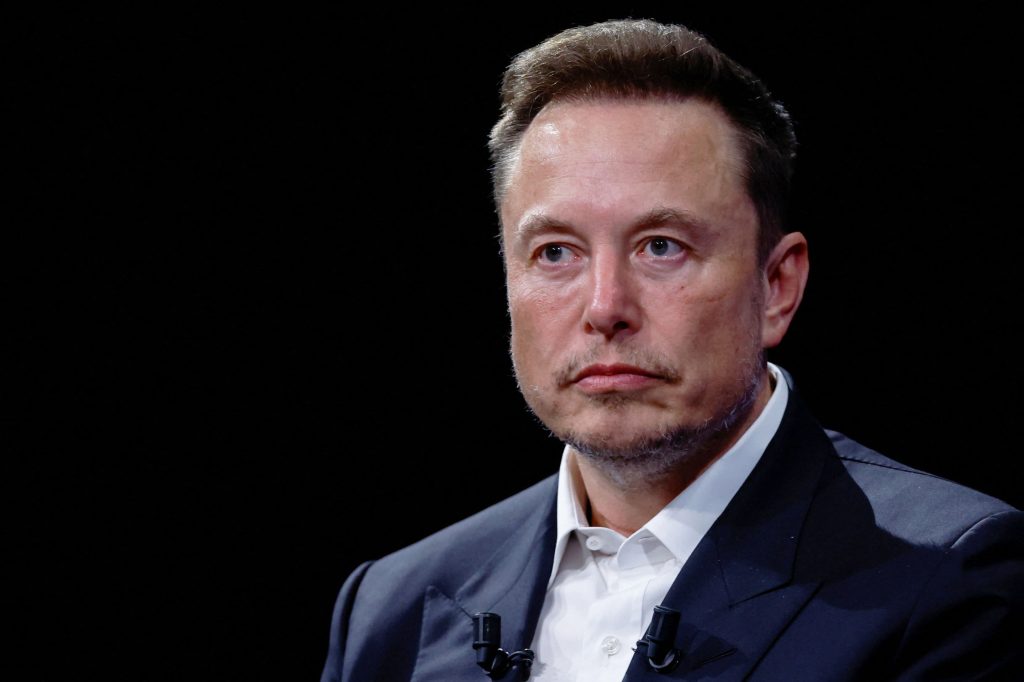
Conversely, as an Agitator, he utilizes his personal brand and X (formerly Twitter) to drive market sentiment, effectively reducing Tesla’s advertising budget to near zero. While this approach carries risks—evident in the turbulent Twitter acquisition and harsh work culture—it creates a “reality distortion field” that attracts talent and capital.
The Final Frontier: Neuralink, xAI, and Mars
Looking beyond 2026, the playbook is now applied to the human mind and AI. Neuralink aims to solve the bandwidth bottleneck between the brain and computers. With successful human trials (such as patient Noland Arbaugh) and mass production of chips slated for 2026, Musk is creating a new medical device market.
Simultaneously, xAI and its model ‘Grok’ challenge the status quo of AI alignment. By leveraging real-time data from X and adopting a “rebellious” persona, xAI seeks to understand the “true nature of the universe” without the filters Musk perceives in competitors.
Conclusion
The Elon Musk business strategy can be distilled into five principles:
- First Principles Thinking: Boil problems down to physics and economics, ignoring “industry standards.”
- Ecosystem Construction: Don’t just sell a product; build the infrastructure (Superchargers) that makes the product viable.
- Vertical Integration: Control the supply chain to control cost and speed.
- Crisis as a Filter: Use near-failure events (2008) to strip away inefficiencies.
- Visionary Storytelling: Sell a mission (Mars, Sustainable Energy) to attract the world’s best talent.
[TMM’s Perspective] From an investment standpoint, betting on Musk’s companies is essentially a bet on this specific problem-solving algorithm. While volatility is inherent in his “Agitator” persona, the “Architect” side has consistently delivered monopolistic dominance in hardware-heavy industries. As we look at the 2026 landscape, the convergence of xAI’s software with Tesla’s robotics and SpaceX’s logistics suggests that the “Musk Discount” often cited by Wall Street may actually be a premium in disguise. I believe the next trillion dollars in value will come not from the cars, but from the integration of his AI and energy ecosystems.